Blog
EDUCATION
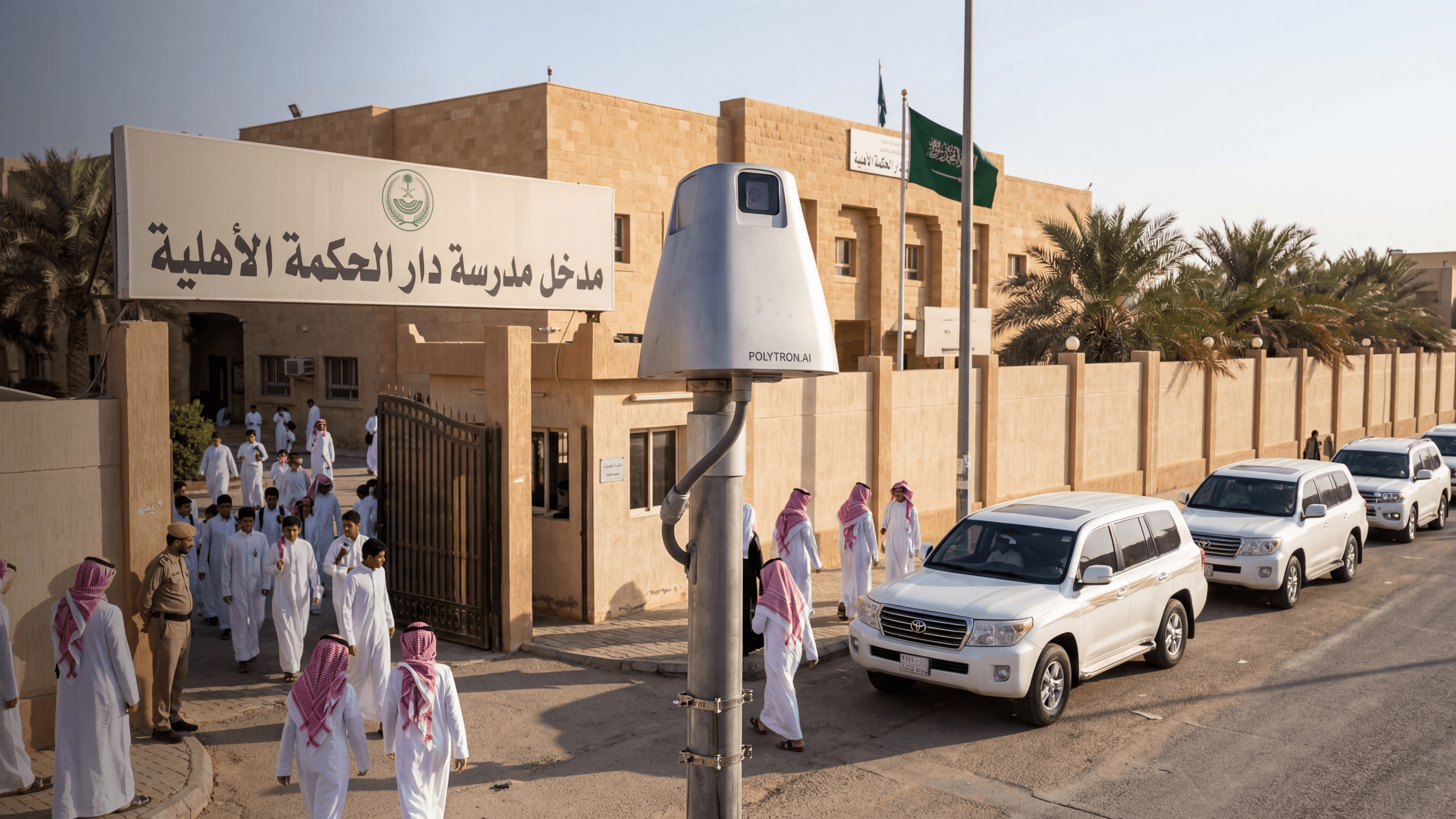
Educational facilities need to balance student safety with operational discretion across classrooms, perimeters, and transit zones. POLYTRON 360° cameras provide complete coverage with privacy-aware AI analytics, intrusion detection, and emergency-response integration. Schools gain accountable security posture without disrupting the learning environment.
Understanding Spatial Perception
Spatial audio isn’t about exaggeration—it’s about accuracy. Your brain determines direction and depth based on timing differences, frequency cues, and subtle reflections.
When these cues are distorted or over-processed, sound becomes impressive at first—but fatiguing over time.
The Role of Timing and Phase
Even microsecond delays between channels affect how sound is positioned. Phase coherence ensures that audio reaches your ears as a unified event, not a smeared approximation.
Why Artificial Spatial Effects Fall Short
Many headphones rely on aggressive DSP tricks to simulate space. While effective in demos, these techniques often collapse under real listening conditions.
Inflated width with no depth
Unstable center imaging
Loss of tonal accuracy
True spatiality should feel invisible—not imposed.
Designing a Natural Soundstage
At AeroSound, spatial listening begins with physical architecture:
Driver positioning
Acoustic chamber geometry
Controlled airflow and resonance
Digital processing is used only to preserve—not fabricate—space.
The Result: Space That Feels Real
When spatial cues are respected, music breathes. Instruments occupy defined positions. Dialogue feels grounded. Nothing calls attention to itself—except the sound.
That’s spatial listening done right.